

NewzVille Desk
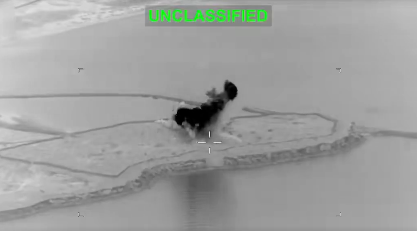
U.S. forces have struck Iranian coastal surveillance radar installations near the Strait of Hormuz after shooting down four Iranian drones which targeted regional maritime traffic. US Central Command said it struck Iranian coastal surveillance radar sites in Goruk and on Qeshm Island to defend against further attacks.
The incident marks the latest flashpoint in a three-month-old conflict, further straining already deadlocked peace negotiations between Washington and Tehran.
The strike came as diplomatic efforts between Washington and Tehran remain stalled, with a major sticking point being Iran’s demand for the release of billions of dollars in frozen assets held overseas.
Iranian officials have reportedly linked progress on any interim agreement to the unfreezing of funds, while the United States is reluctant to give up what it sees as a key source of leverage in the negotiations.
Meanwhile, in Lebanon, Hezbollah has rejected a U.S.-brokered ceasefire proposal accepted by Israel and the Lebanese government, insisting that any agreement must include a full Israeli withdrawal from southern Lebanon.
The group has also released drone footage showing attacks on Israeli forces near the Beaufort Castle, a strategic hilltop fortress captured by Israeli troops during their recent offensive.
Iran has reiterated its support for Hezbollah and maintains that an Israeli pullout from Lebanon is essential for any broader regional settlement.
The humanitarian toll continues to mount. United Nations figures indicate that more than 3,500 people have been killed in Lebanon since the conflict escalated in early March, while over one million people have been displaced from their homes.
Lebanon’s parliament speaker Nabih Berri, said he would agree to the group’s withdrawal from southern Lebanon only if Israeli troops simultaneously pulled back from occupied territory.
Israel has said its forces will not halt operations in the country. President Donald Trump, acknowledged Iran still retains roughly 21 to 22% percent of its missile arsenal.
When asked on why Tehran was not more inclined to reach a deal, Trump said Iran was “strong and proud” and had no choice but to eventually come to terms.
Residents of Gaza, northern Israel, and Kuwait have also come under fire this week, despite U.S.-arranged ceasefires that Trump described as involving “shooting in a more moderate manner,” rather than a total halt to hostilities.