

NewzVille Desk
Union Minister of State (Independent Charge) for Science & Technology, Dr. Jitendra Singh, who is also a Professor of Medicine and Diabetologist, has called for making preventive healthcare and prevention of diabetes a national priority, stressing that the growing burden of diabetes in rural India requires a community-led, technology-enabled and data-driven response.
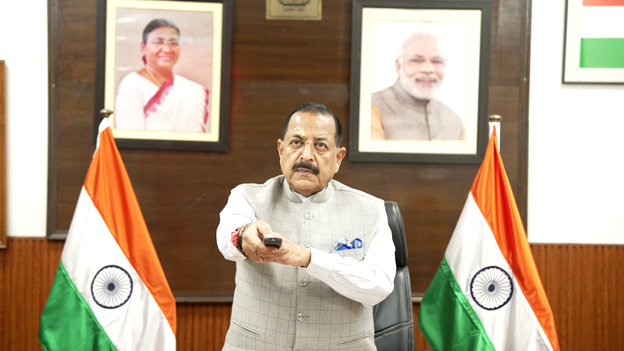
Addressing the inauguration of the RSSDI ‘Diabetes Rural Outreach Digital Portal’ and launch of VISHWAS, the Diabetes Awareness Video Library, Dr. Jitendra Singh said that with more than 70 per cent of India’s population below the age of 40, protecting the health and productive potential of the country’s young population is essential to the vision of India@2047.
The programme organised by the Research Society for the Study of Diabetes in India (RSSDI) on Independence Day, brought together leading experts and stakeholders from the diabetes and healthcare ecosystem.
Dr. Anuj Maheshwari, President, National RSSDI; Dr. Rakesh Parikh, Secretary General, National RSSDI; Dr. Banshi Saboo, Chair, IDF South-East Asia; and Rizwan Koita, Chairman, NABH, were also present on the occasion.
The RSSDI Rural Outreach Programme and VISHWAS are aimed at taking diabetes awareness, screening, treatment, follow-up and digital health resources closer to communities.
Dr. Jitendra Singh said that India has made remarkable progress in healthcare, scientific research and digital innovation, and the next important step is to ensure that these advances reach every citizen, particularly people living in rural and underserved communities.
He said rural India is no longer untouched by the diabetes epidemic and that early detection, timely intervention, lifestyle modification and sustained follow-up are essential to reduce the burden of the disease and its complications.
Describing the RSSDI Rural Outreach Programme as an example of how professional medical societies can complement national health efforts, the Minister said that adopting villages and creating a structured model for awareness, screening, treatment and long-term follow-up can bring specialist expertise closer to communities that need it most.
The programme has already reached around 30 villages across several States, with further expansion planned in the coming years.