

NewzVille Desk
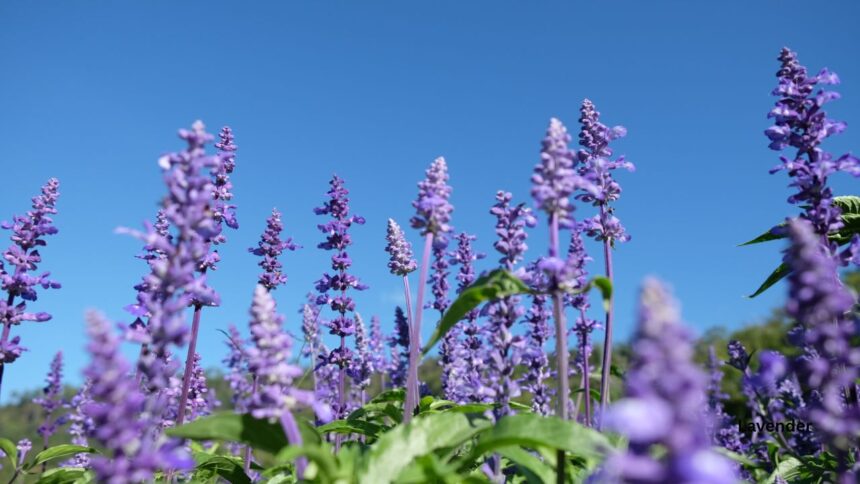
The “Purple Revolution” in Jammu and Kashmir has transformed the region’s agricultural landscape. Since its introduction in 2016 through the CSIR-Aroma Mission, it has evolved from an experimental crop into a major economic driver for thousands of farmers, particularly in the Doda district.
Bhaderwah, known as the ‘The Lavender Capital of India’ a sub-division of the Doda district, is the epicenter of this revolution.
Over 4,000 farmers in the Bhaderwah valley have switched from traditional maize cultivation to lavender. The Tehsil’s turnover has touched around ₹10.5 crore (as of 2025) from oil and dried flower sales
The Purple Cultivation has now spread to other districts, including Ramban, Kathua, Udhampur, Rajouri, and several parts of the Kashmir Valley inPulwama and Anantnag.
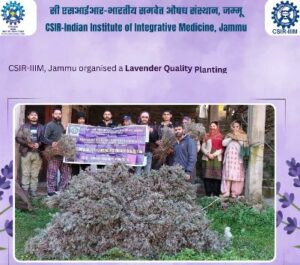
To promote the high valued farming, CSIR–Indian Institute of Integrative Medicine (CSIR-IIIM), Jammu recently organised a Lavender Quality Planting Material (QPM) Distribution Programme for farmers of Doda and Kishtwar districts under the CSIR-Aroma Mission Phase–III.
The initiative aimed at promoting scientific lavender cultivation in the remote areas of the Chenab Valley and strengthening livelihood opportunities through aroma-based agri-entrepreneurship.
As part of the programme, 1,17,600 high-quality lavender plants were distributed among 60 beneficiary farmers between December 24, 2025 and January 8, 2026.
The farmers were also provided with awareness and training sessions on modern cultivation practices, crop management and post-harvest handling.
The programme is focused on encouraging farmers to adopt high-value aromatic crops, improving farm incomes and generating sustainable employment opportunities in the region.
Officials said the initiative will help establish Doda and Kishtwar as emerging hubs for lavender cultivation and contribute to the long-term economic development of the Chenab Valley.
The CSIR-Aroma Mission has been playing a key role in transforming the rural economy by promoting aromatic and medicinal plants across Jammu and Kashmir.
The temperate climate of J&K, requiring cold winters and well-drained soil, making the hilly terrains ideal for Lavender cultivation, which can withstand in snowfall conditions also.