
NewzVille Desk
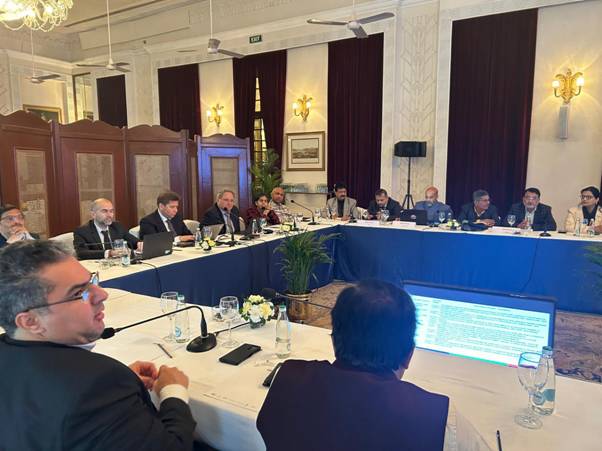
The World Health Organization (WHO) organized a two-day Technical Project Meeting on Traditional Medicine (TM) intervention code set development in New Delhi, on December 20–21, 2025.
Member states including Bhutan, Brazil, India, Iran, Malaysia, Nepal, Mauritius, South Africa, Sri Lanka, Philippines, the UK, and the USA participated to appraise their country status and harmonize intervention descriptions.
The initiative was fundamentally driven by the landmark Memorandum of Understanding (MoU) and Donor Agreement signed between the Ministry of Ayush and WHO on May 24, 2025.
The agreement serves as the cornerstone for developing a dedicated Traditional Medicine module within the International Classification of Health Interventions (ICHI), the international global standard for classifying healthcare interventions, with India facilitating both the financial and technical frameworks necessary to bring Ayurveda, Siddha, and Unani (ASU) systems into the global healthcare mainstream.
The technical sessions were chaired by Kavita Garg, Joint Secretary, Ministry of Ayush, who led the Indian team in the development of National Health Intervention Codes for Ayurveda, Siddha, and Unani medicine. Under her leadership, a distinguished team of experts contributed to the initiative, including Prof. Rabinarayan Acharya (Director General, CCRAS), Prof. N. J. Muthukumar (Director General, CCRS), and Dr. Zaheer Ahmad (Director General, CCRUM).
The meeting saw extensive participation from all six WHO regions, including AFRO, AMRO, EMRO, EURO, SEARO, and WPRO, ensuring a comprehensive global perspective on traditional medicine. Key representatives from WHO Headquarters in Geneva, such as Robert Jakob, Nenad Kostanjsek, Stéphane Espinosa, and Dr. Pradeep Dua, led the classification discussions.
They were joined by Dr. Geetha Krishnan from the WHO Global Traditional Medicine Centre (GTMC) in Jamnagar and Dr. Pawan Kumar Godatwar from the WHO SEARO office in Delhi.