

NewzVille Desk
The CISF Vande Mataram Coastal Cyclothon–2026 concluded today with a grand ceremony at Kochi, bringing to a close a transformative 25-day journey across 6,553 kilometres of India’s eastern and western coastlines. The valedictory ceremony was graciously attended by Bandi Sanjay Kumar, Minister of State for Home Affairs, and Praveer Ranjan, Director General, CISF along with senior officer from CISF. The occasion was further dignified by the presence of distinguished personalities from the film and sports fraternity, including Malayalam actors Jayasurya, Major Ravi, Vijay Babu, actresses Prayaga Martin and Manasa Radhakrishnan, former Indian footballer and Padma Shri & Arjuna Awardee I. M. Vijayan, Indian Badminton Coach Joy T Antony, and noted music composer Rathish Vega.
The event brought together coastal communities, youth, women, fishermen, sister security agencies, industry stakeholders and civil society under one powerful theme—“Surakshit Tat, Samridh Bharat” (Secure Coasts, Prosperous India).
Commemorating 150 years of the iconic national song Vande Mataram, this edition of the Cyclothon was conceived as a tribute to the spirit of unity, courage and collective responsibility that the song has embodied since India’s freedom movement. Over the past 25 days, 130 CISF cyclists—including a historic 50% women contingent—pedalled not just across terrain, but into the hearts of coastal India, carrying forward a message of participative security and national pride.
Traversing nine states and two Union Territories, the Cyclothon connected historic ports, bustling industrial hubs, fishing villages and tourist beaches—highlighting the centrality of India’s 7,500-kilometre coastline to the nation’s economy and security. With over 250 ports handling nearly 95% of India’s trade by volume, coastal security is inseparable from economic prosperity and energy resilience.
From Koth Lakhpat Fort in Gujarat to Bakkhali in West Bengal, through Mumbai’s Gateway of India, Goa’s iconic shores, Karnataka’s New Mangalore Port, Odisha’s historic coastal belts, Andhra’s fishing harbours and Tamil Nadu’s southern maritime stretches, the Cyclothon amplified awareness about threats such as narcotics trafficking, arms smuggling and infiltration—while reinforcing the need for community vigilance as the first line of defence.
The defining feature of the Cyclothon was its deep grassroots engagement. In 52 carefully selected coastal villages, CISF cyclists halted overnight, lived among the residents, shared meals, participated in local cultural programmes, and held open dialogues with fishermen, elders, youth groups and women’s self-help collectives. These interactions were not symbolic; they were strategic and sincere conversations about livelihood challenges, environmental concerns, maritime risks and developmental aspirations.
These 52 villages have now been formally adopted for year-long sustained engagement. With the support of key stakeholders including ONGC and port authorities through Corporate Social Responsibility (CSR) initiatives, structured programmes will be rolled out.
CISF’s 47 coastal units, strategically located near the coastline, will spearhead this long-term engagement drive, ensuring continuity beyond the Cyclothon and transforming awareness into sustained partnership.
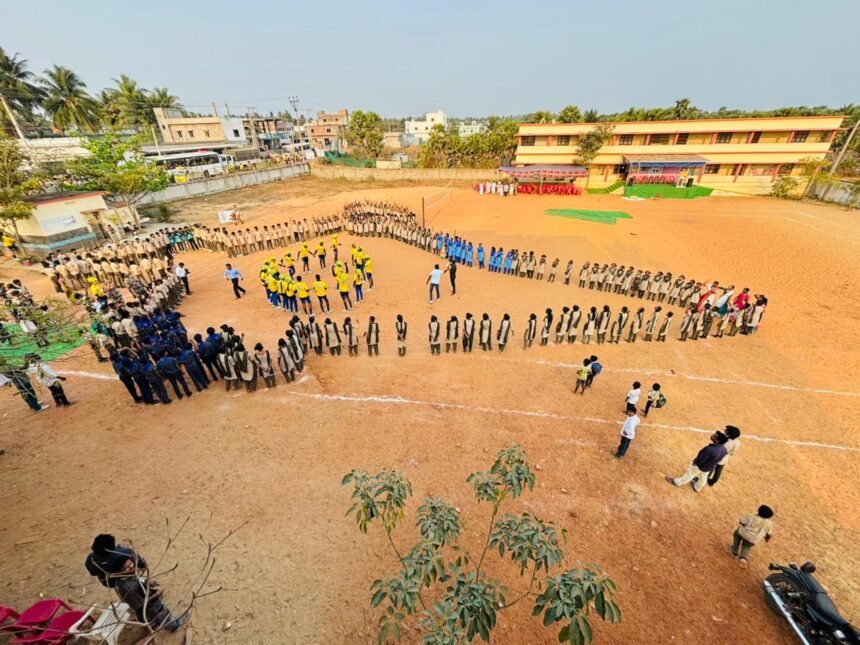
Across both coasts, youth participation emerged as the strongest pillar of the movement. NCC cadets, school students and local sports clubs joined the cyclists for short stretches, organised rallies, and participated in interactive sessions on maritime vigilance and national development. Recruitment awareness programmes demystified opportunities in uniformed services, while sports activities—from volleyball and football to tug-of-war—created bonds between CISF personnel and rural youth.
Distribution of sports kits and school supplies, combined with hands-on interaction, turned the Cyclothon into a platform of aspiration. For many young participants, this was their first direct engagement with a national security force—an experience that transformed distant authority into accessible mentorship.
The 50% women participation in the cycling contingent stood out as a powerful symbol of change. From Gujarat’s coastal villages to Karnataka’s fishing hamlets and Tamil Nadu’s southern shores, the sight of women cyclists in uniform and full riding gear inspired admiration and aspiration alike.
Young girls cycled alongside the teams, asked questions about training and careers, and expressed interest in serving in uniform. Families openly acknowledged the motivational impact of seeing women lead such a demanding national initiative. Discussions around Beti Bachao Beti Padhao, girls’ education, and women’s participation in nation-building added depth to these engagements.
In many villages, women self-help groups shared their entrepreneurial journeys, linking economic empowerment with social security and dignity.
The Cyclothon reaffirmed the crucial role of fishermen as natural sentinels of the coast. Interactive sessions at harbours and fishing docks emphasised how local vigilance can help prevent smuggling and suspicious maritime activity. Fishermen, panchayat leaders and youth forums pledged to act as responsible Tat Praharis—coastal guardians committed to protecting both livelihood and nation.
Beach clean-ups, plantation drives and Swachh Bharat initiatives became recurring features of the journey. By linking environmental stewardship with maritime prosperity, the Cyclothon reinforced that secure and clean coasts are fundamental to tourism, fisheries and sustainable growth.
Fitness demonstrations, martial arts displays, and public cycling events echoed the broader message of discipline and resilience—values central to both national security and youth development.
At Kochi’s grand finale today, representatives from coastal communities, youth groups, women’s collectives, sister security agencies, industry stakeholders and civil administration gathered on a common platform.
Cultural performances, patriotic renditions of Vande Mataram, and public pledges of vigilance marked the culmination of a journey that transcended geography.
Addressing the gathering, senior CISF leadership reaffirmed that the Cyclothon was not an endpoint but a beginning—a structured outreach framework aligning maritime security with citizen participation.
DG Praveen Ranjan said, “What we are witnessing through this Cyclothon is the emergence of a confident, aware and inspired coastal India. When young girls see women in uniform leading from the front, when students cycle alongside our personnel, security becomes aspiration. This initiative is about turning awareness into action and citizens into partners in national security.”
The CISF Vande Mataram Coastal Cyclothon–2026 has demonstrated that security thrives where trust exists. By engaging 52 villages, mobilising youth, empowering women, involving fishermen, partnering with CSR stakeholders, and activating its 47 coastal units for sustained outreach, CISF has laid the foundation for a participative coastal security ecosystem.
As the cyclists symbolically handed over the baton of vigilance to coastal communities at Kochi, the message was clear: secure coasts are built not by forces alone, but by united citizens.